Why Normal Photos Fail on Dating Apps (And What Works Instead)
Normal photos don't stand out on dating apps. Learn why average pictures kill attraction and what actually works to get more matches.

Normal Is Invisible on Dating Apps
Most people don’t fail on dating apps because they look bad.
They fail because they look normal.
Normal photos don’t trigger curiosity.
They don’t reduce uncertainty.
And they don’t give anyone a reason to stop scrolling.
On dating apps, you’re not being judged in isolation. You’re being compared — instantly — against dozens of other profiles that someone sees in the same session. In that environment, “normal” doesn’t feel safe or relatable.
It feels forgettable.

A photo taken in a random room, a poorly lit apartment, or an unremarkable outdoor setting isn’t neutral. It sends a signal — just not the one you want. It forces the viewer to guess who you are, how you live, and what kind of life you might offer.
And when people have to guess, they usually swipe left.
Dating apps don’t reward effort or authenticity.
They reward clarity.
If your photos don't clearly communicate stability, direction, and intention, you're making the decision harder than it needs to be. And on dating apps, harder decisions almost always end the same way.
This article focuses on dating apps specifically, but the principles of visual signaling apply everywhere online. For a comprehensive guide on how people signal wealth and status through images, environments, and context, read How People Signal Wealth Online.
Dating Apps Don't Reward Normal — They Reward Clarity
Dating apps aren’t designed to help people discover each other slowly.
They’re designed to help people decide quickly.
Every swipe is a shortcut decision. With limited time and endless options, users aren’t looking for depth — they’re looking for reasons to move forward without friction.

This is why “normal” photos fail.
A normal photo forces interpretation:
- Where was this taken?
- What kind of lifestyle is this?
- Is this person confident or just low-effort?
- Do they have direction, or are they drifting?
Clarity removes those questions.
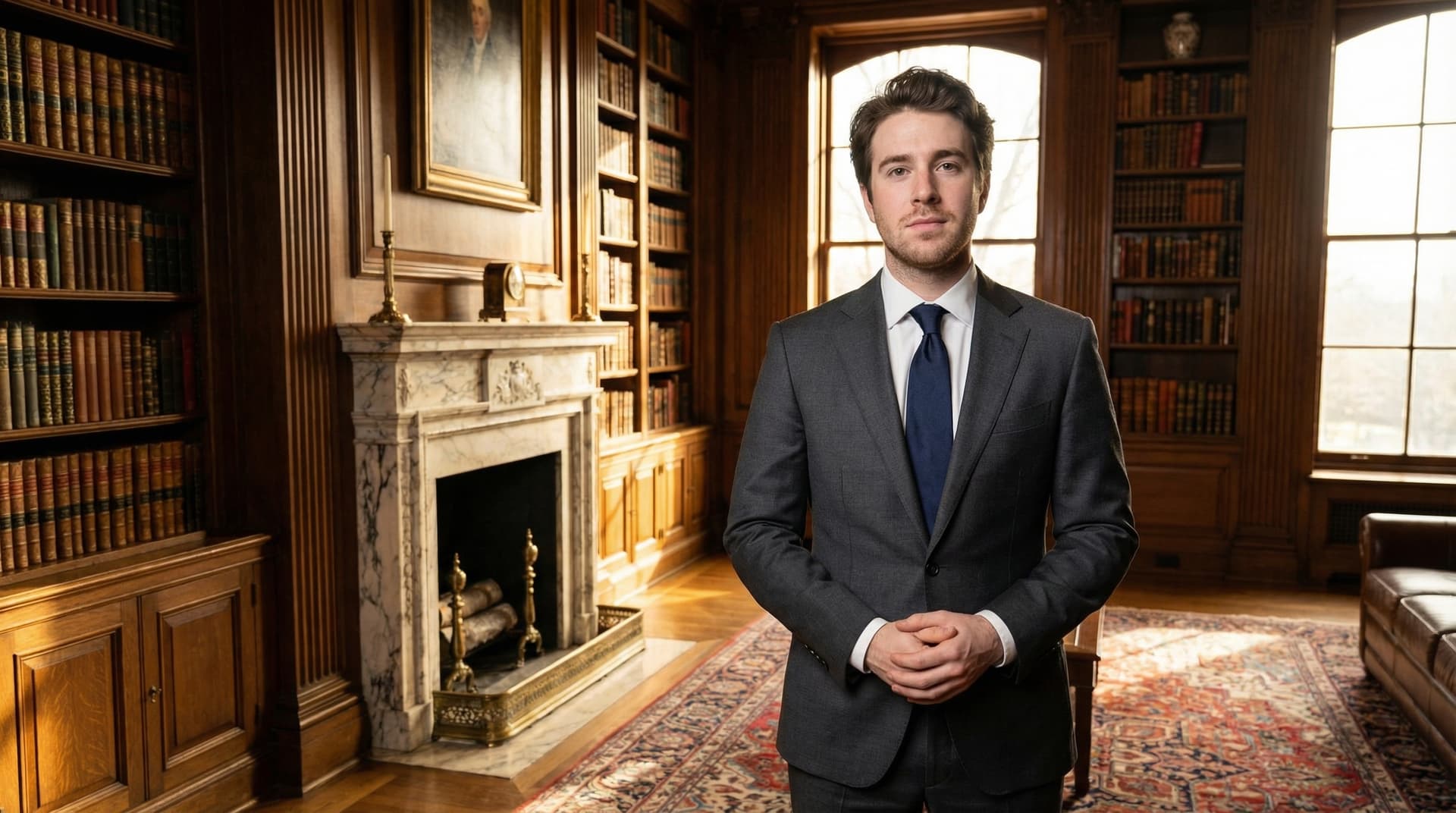
When a photo clearly shows a clean environment, intentional framing, and a calm, put-together presence, the viewer doesn’t need to guess. The decision feels easier, safer, and more natural.
That’s what dating apps reward.
Why Clarity Beats Personality Online
Personality can’t be scanned in two seconds.
Context can.
Dating apps prioritize:
- Visual coherence
- Lifestyle signals
- Emotional safety cues
A clear photo doesn’t mean extravagant. It means intentional. It communicates that you know how to present yourself and that engaging with you won’t be chaotic or confusing.
Profiles that perform well don’t try to explain who they are.
They show enough for the brain to move on without hesitation.
On dating apps, clarity isn’t a bonus.
It’s the difference between being considered — and being skipped.
What “Normal” Photos Signal (Even If You Don’t Mean It)
Most people think a normal photo is a safe choice.
In reality, it’s a risky one.
Normal photos don’t just fail to impress — they communicate things you probably never intended to say. On dating apps, where context is limited, absence of signal becomes a signal of its own.
A photo taken in a random bedroom, an unstyled living space, or a generic outdoor spot often suggests:
- Low effort
- Lack of intention
- No clear lifestyle
- Uncertainty about self-presentation
None of these mean they’re true. But dating apps don’t evaluate truth. They evaluate what’s visible.
Why “Fine” Feels Unclear
When a photo doesn’t clearly communicate anything, the viewer has to fill in the gaps. And most people don’t fill gaps generously — they fill them conservatively.
A vague environment raises silent questions:
- Is this how they always live?
- Is this the best photo they have?
- Do they care how they present themselves?
Those questions create friction. And friction kills attraction.
The Problem Isn’t Normal — It’s Undefined
There’s nothing wrong with being normal in real life.
But on dating apps, undefined profiles get filtered out because they don’t provide enough information to move forward confidently.
People don’t swipe left because your photo is bad.
Why Average Photos Create Doubt (And Doubt Kills Swipes)
Dating apps don’t punish unattractive people.
They punish uncertainty.
When someone looks at your profile, they’re not asking whether you’re perfect. They’re asking whether engaging with you feels like a safe, easy decision. Average photos make that decision harder than it needs to be.
Doubt Is the Silent Dealbreaker
Doubt doesn’t feel dramatic. It feels subtle.
It shows up as hesitation:
- “I’m not sure what I’m getting here.”
- “Something feels off.”
- “I’ll come back to this later.”
Later never happens.
On dating apps, hesitation is functionally the same as rejection.
Average photos create doubt because they don’t answer basic questions clearly. The environment is vague. The framing is unintentional. The overall impression feels unfinished.
And unfinished signals risk.
Why the Brain Defaults to No
When faced with uncertainty, the brain chooses the option with the lowest cognitive cost. On dating apps, that usually means swiping left and moving on.
It’s not personal.
It’s efficient.
Profiles that remove doubt — by clearly signaling lifestyle, stability, and intention — feel easier to engage with. The brain doesn’t need to analyze or question. It just moves forward.
The Real Competition Isn’t Other People
Most people think they’re competing against other profiles.
They’re not.
They’re competing against:
- Uncertainty
- Ambiguity
- Mental effort
If your photos require interpretation, you’re adding friction. And friction is the one thing dating apps quietly punish every time.
On dating apps, the goal isn’t to impress.
It’s to make saying “yes” feel obvious.
What Actually Works on Dating Apps Instead
At this point, it should be obvious why “normal” photos fail.
So let’s talk about what actually works — not in theory, but in the real, brutal, swipe-based economy of dating apps.
Spoiler: it’s not about being hotter.
It’s about being clear.

High-Performing Dating Photos All Do the Same Thing
The dating profiles that consistently get matches don’t look random.
They look:
- Intentional
- Calm
- Put together
- Easy to understand
They answer questions without asking the viewer to think.
That’s the key.
Your photo doesn’t need to scream “luxury.”
It needs to whisper: “this person’s life makes sense.”
The Signals That Actually Move the Needle
Here’s what winning dating photos almost always include:
-
A readable environment
Clean interiors, refined public spaces, or high-quality urban settings that instantly communicate stability. -
Neutral, calm styling
No costumes. No loud outfits. No “look at me” energy. Calm confidence beats peacocking every time. -
Good light, good clarity
Grainy photos don’t feel authentic — they feel unfinished. -
Restraint
Fewer photos. Better photos. Over-posting kills perceived value.
This isn’t about pretending to be rich.
It’s about avoiding the visual chaos that makes people hesitate.
Why This Works (Psychology, Not Vibes)
Humans are wired to make fast judgments when information is limited. On dating apps, people rely heavily on environmental cues to assess social and emotional safety — not just attraction.
This is well documented in psychology research around first impressions and decision-making under uncertainty.
Source: Psychology Today
In simple terms:
When your photos look orderly, intentional, and calm, your profile feels lower risk.
Lower risk = more yeses.
The Part Most People Get Wrong
Most dating advice tells you to:
- “Be yourself”
- “Show your hobbies”
- “Add personality”
All fine — after someone is interested.
Before that, your only job is to avoid creating doubt.
Normal photos fail because they create questions.
Good photos work because they remove them.
The Shortcut People Are Quietly Using
Here’s where reality kicks in.
Most people don’t have:
- Access to great locations
- Time for multiple photoshoots
- A photographer friend on standby
- The patience to test endlessly
So instead of fighting logistics, many people now upgrade their dating photos digitally using tools like Richflex.
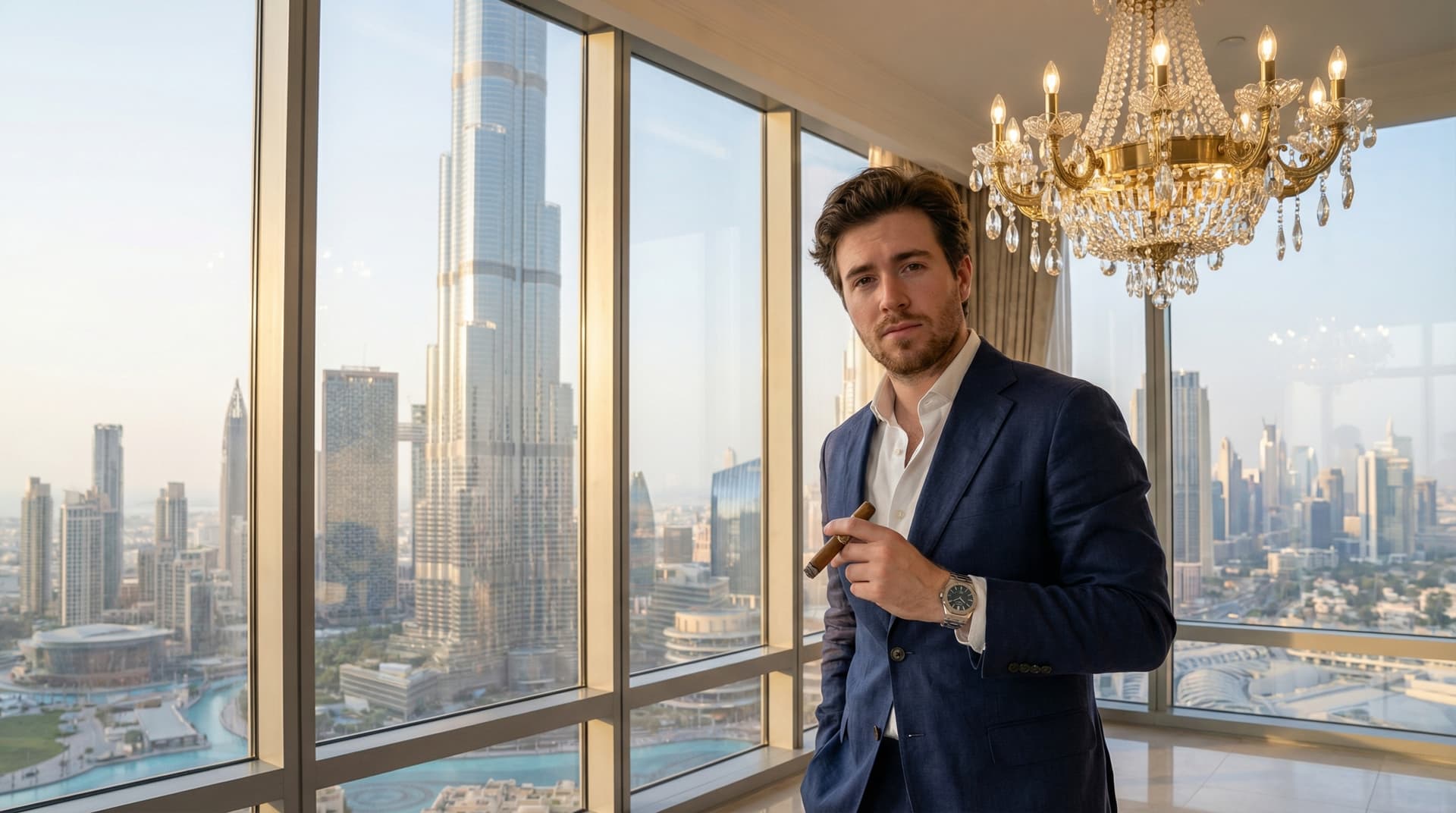
Not to fake wealth — but to place themselves in clean, high-status environments that do the explaining for them.
No travel.
No staged shoots.
No awkward “stand over there and smile” moments.
Just photos that actually work on dating apps.
Soft CTA (Because You’re Already Convinced)
If your dating profile feels invisible, it’s probably not you.
It’s the visuals.
Stop looking normal.
Upgrade Your Dating Photos
Stop Looking Normal
Here’s the uncomfortable truth most dating advice avoids:
Dating apps don’t punish people for being unattractive.
They punish people for being forgettable.
If your photos look like they could belong to anyone, they won’t belong to anyone.
You don’t need:
- A better bio
- Witty prompts
- Another mirror selfie
- “Just one more honest photo”
You need visuals that make a decision feel easy.
Photos that quietly say:
- This person is put together
- This person has direction
- This person’s life isn’t chaotic
That’s it. That’s the bar.
The Easiest Way to Fix This (Without Overthinking It)
Most people already know their photos aren’t working.
They just don’t want to deal with:
- Planning shoots
- Finding locations
- Awkward posing
- Spending money on something that might work
That’s why tools like Richflex exist.
You upload a few normal selfies.
You choose clean, high-status environments.
You get dating photos that actually remove doubt.
No travel.
No studios.
No pretending to be someone else.
Just photos that finally do their job.
Final CTA
Dating apps are a visual game.
You can keep playing it on hard mode — or fix the one thing that matters.
Stop looking normal.
Upgrade Your Dating Photos


.jpg&w=1920&q=75)