Old Money vs New Money Aesthetics (Which Works Better?)
Old money and new money aesthetics signal wealth in very different ways. Learn how each is perceived online, on dating apps, and which one actually works better.
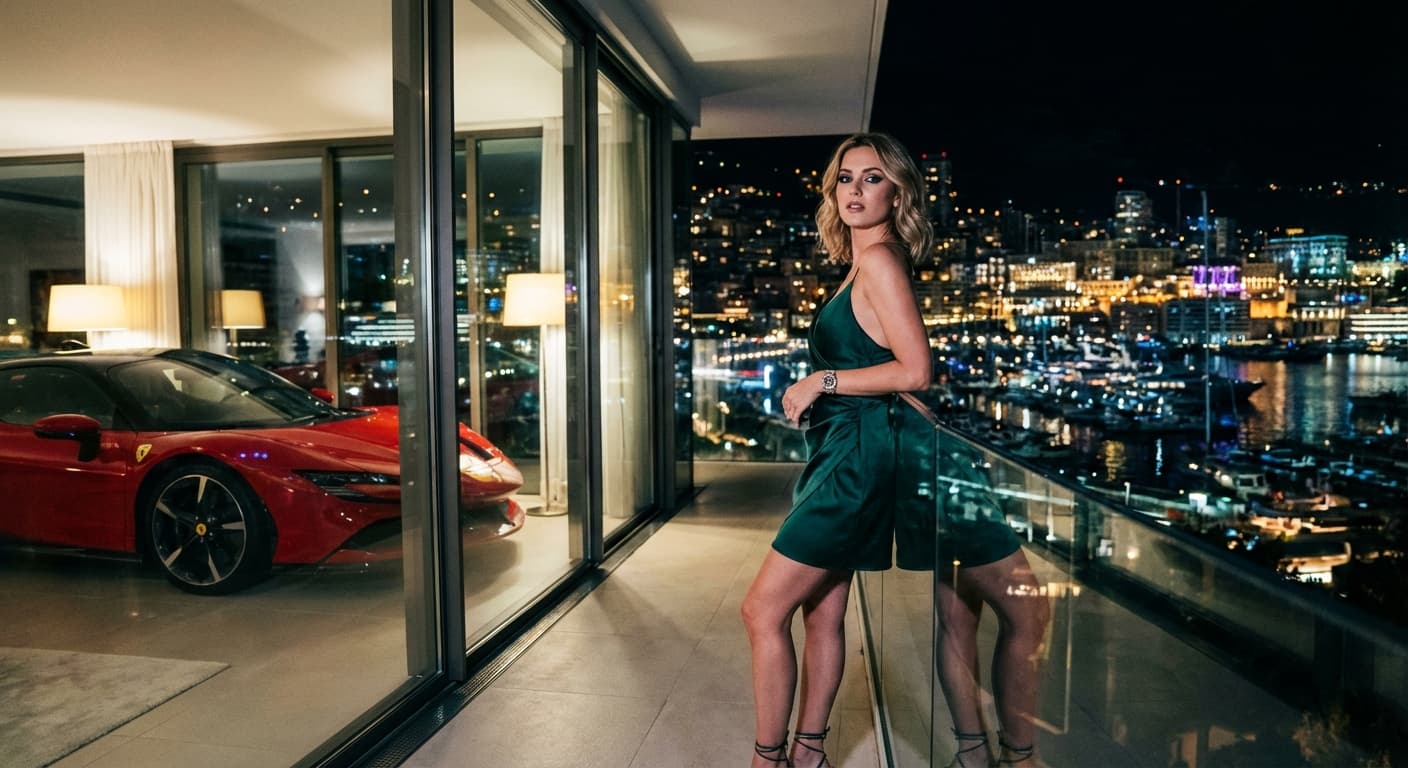
Two Ways People Signal Wealth
Not all wealth looks the same.
Some people signal success quietly — through restraint, consistency, and environments that feel timeless. Others signal it loudly — through visibility, speed, and objects that demand attention.
These two approaches are commonly referred to as old money and new money aesthetics.
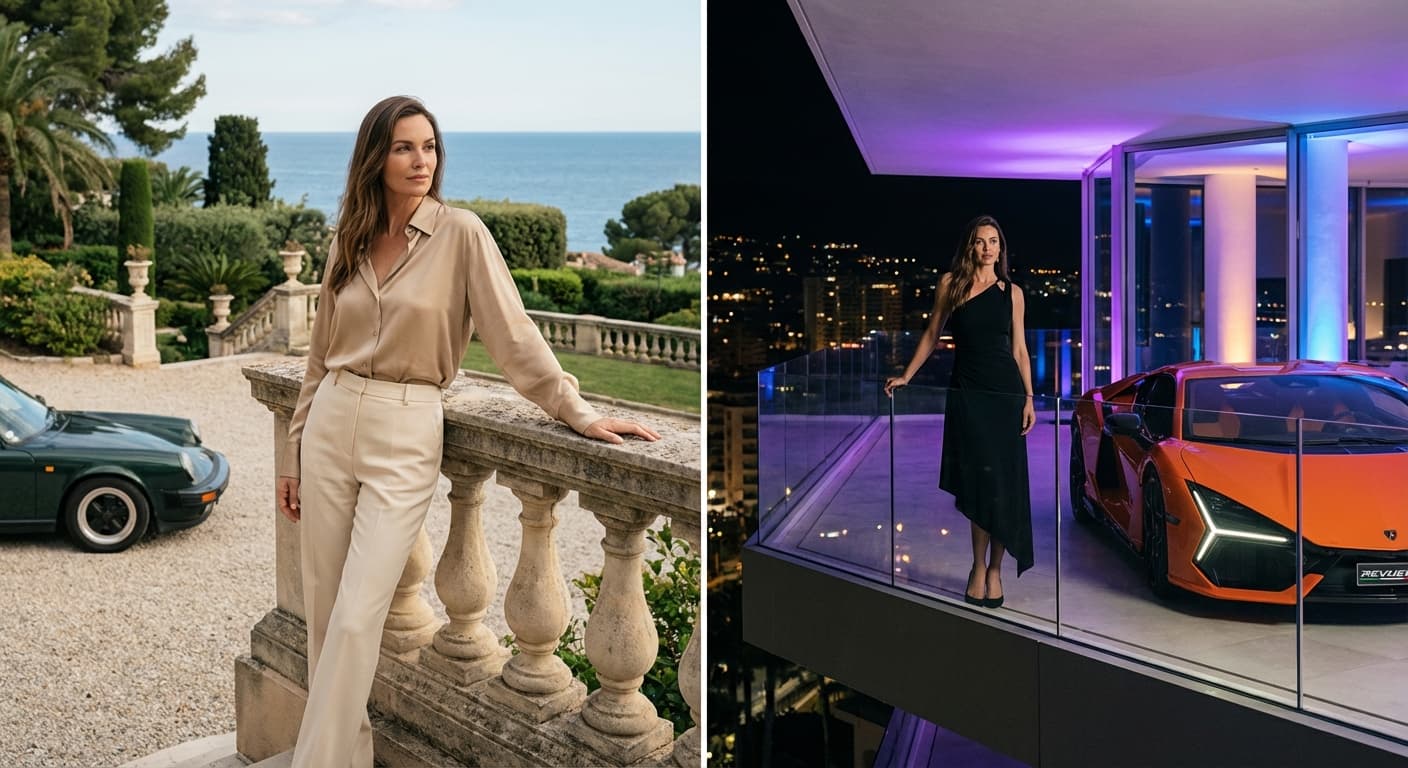
Despite what social media debates suggest, this isn't about morality, taste, or who "deserves" wealth. It’s about signaling — how people visually communicate status, stability, and success to others.
Old money aesthetics tend to blend into their surroundings. They don’t ask to be noticed. They assume they will be.
New money aesthetics do the opposite. They emphasize visibility. They make success obvious, immediate, and hard to miss.
Both approaches aim to answer the same question:
“Is this person doing well?”
They just speak different visual languages.
Understanding how each aesthetic is interpreted — online, on dating apps, and on social media — matters more than choosing sides. Because in a world driven by perception, the signal you send often matters more than the truth behind it.
This article explores two specific approaches to wealth signaling. For a comprehensive overview of how people signal wealth online through images, environments, and context, read How People Signal Wealth Online.
What the Old Money Aesthetic Actually Means
The “old money aesthetic” is one of the most misunderstood styles online.
Despite what TikTok trends suggest, it's not about vintage clothing, inherited mansions, or pretending your family owned a railroad in 1890. Old money is not a costume. It's a visual philosophy built around consistency, restraint, and environments that don't need explanation.
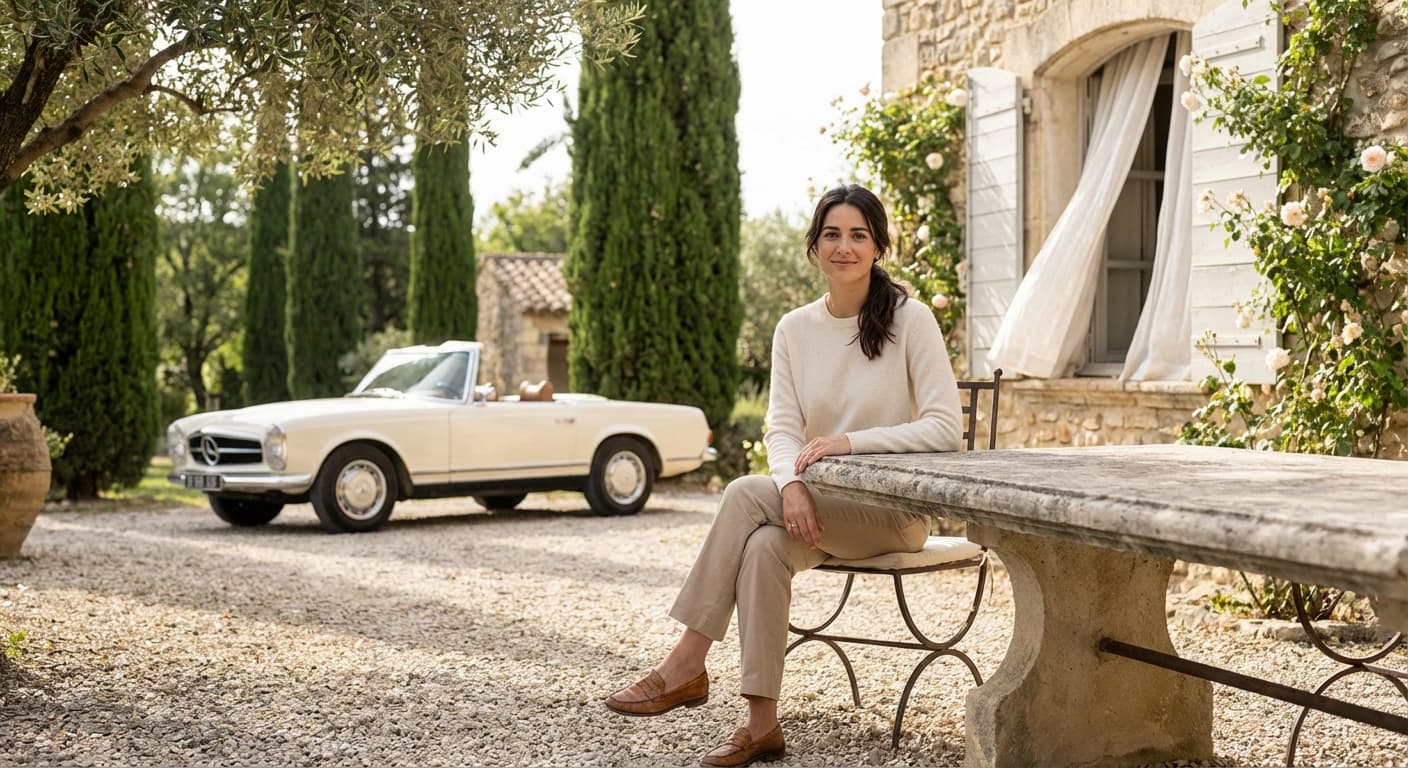
At its core, the old money aesthetic communicates one thing above all else: nothing needs to be proven.
Old Money Is About Environment, Not Objects
Old money visuals rarely focus on flashy items. You won’t see logos, supercars, or obvious displays of wealth. Instead, status is implied through:
- Architecture
- Space
- Light
- Materials
- Calm, unforced presentation
A clean European interior, a quiet coastal setting, or a well-composed city scene does more signaling than any luxury object ever could. The wealth isn’t shown — it’s assumed.
This is why old money aesthetics often feel timeless. They're not tied to trends, brands, or moments of hype. Source: Harvard Business Review They look as appropriate today as they did ten years ago — and likely will ten years from now.
Quiet Luxury Isn’t About Being Boring
A common misconception is that old money visuals are dull or conservative.
They’re not.
They’re intentional.
Every element in an old money image feels considered:
- Neutral color palettes
- Natural light
- Clean lines
- Minimal visual noise
Nothing is loud because nothing needs to compete for attention. The confidence comes from coherence, not spectacle.
This restraint is what makes the aesthetic feel trustworthy online. Viewers subconsciously associate it with stability, patience, and long-term success — even if they can’t articulate why.
Why the Old Money Aesthetic Signals Stability
Psychologically, old money visuals reduce uncertainty.
They suggest:
- Control over time
- Comfort in one’s environment
- A lack of urgency or desperation
In a digital world dominated by speed and spectacle, this calmness reads as power. It signals that success isn’t new, fragile, or dependent on validation.
That's why old money aesthetics perform so well in contexts where trust matters — personal branding, professional presence, and long-term credibility.
It's not about looking rich.
It's about looking established.
Want to test how old money aesthetics work for you? Richflex lets you generate luxury photos in understated, timeless environments using your existing photos. No travel required.
What the New Money Aesthetic Actually Means
If old money is about restraint, new money is about visibility.
The new money aesthetic emerged from speed — fast success, fast growth, fast validation. It's designed to be seen, noticed, and recognized immediately. Where old money blends in, new money stands out on purpose.
This doesn't make it shallow or inferior. It makes it reactive to a different environment.
New money aesthetics evolved alongside social media, creator culture, and public-facing success. When attention is currency, visibility becomes part of the strategy.
New Money Is About Objects, Not Environments
Unlike old money visuals, new money aesthetics often center around objects:
- Cars
- Watches
- High-end apartments
- Modern architecture
- Nightlife settings
The signal isn’t subtle. It’s explicit.
The message is clear: “Something happened, and it happened recently.”
That immediacy is the point. New money visuals are designed to remove ambiguity fast. There’s no guessing, no decoding. The wealth is right there in the frame.
Why New Money Aesthetics Feel Loud Online
Online, new money aesthetics perform well because they align with how platforms reward content:
- High contrast
- Clear focal points
- Immediate recognition
- Emotional impact
Bright lights, modern design, and visible luxury objects stop the scroll. They generate attention quickly, even from people who don’t necessarily like them.
This is why new money visuals dominate:
- Viral Instagram posts
- TikTok luxury content
- Influencer marketing
- Short-form video platforms
They’re built for speed, not longevity.
What New Money Signals Psychologically
Psychologically, new money aesthetics signal:
- Momentum
- Confidence
- Ambition
- A willingness to be seen
They communicate that someone is in motion — building, scaling, arriving.
However, this also introduces volatility. Because the aesthetic is tied to visibility and validation, it can feel dependent on constant reinforcement. What grabs attention today might feel dated tomorrow.
That doesn’t make it ineffective.
It makes it context-dependent.
New money aesthetics thrive in environments where attention matters more than trust, and where first impressions are fleeting rather than lasting.
How Each Aesthetic Is Read Online (The Perception Gap)
Old money and new money aesthetics don’t just look different.
They’re interpreted differently by the people watching.
Online, visuals are decoded fast. Viewers don't consciously analyze aesthetics — they feel them. Source: Psychology Today And those feelings shape assumptions about trust, credibility, and intent.
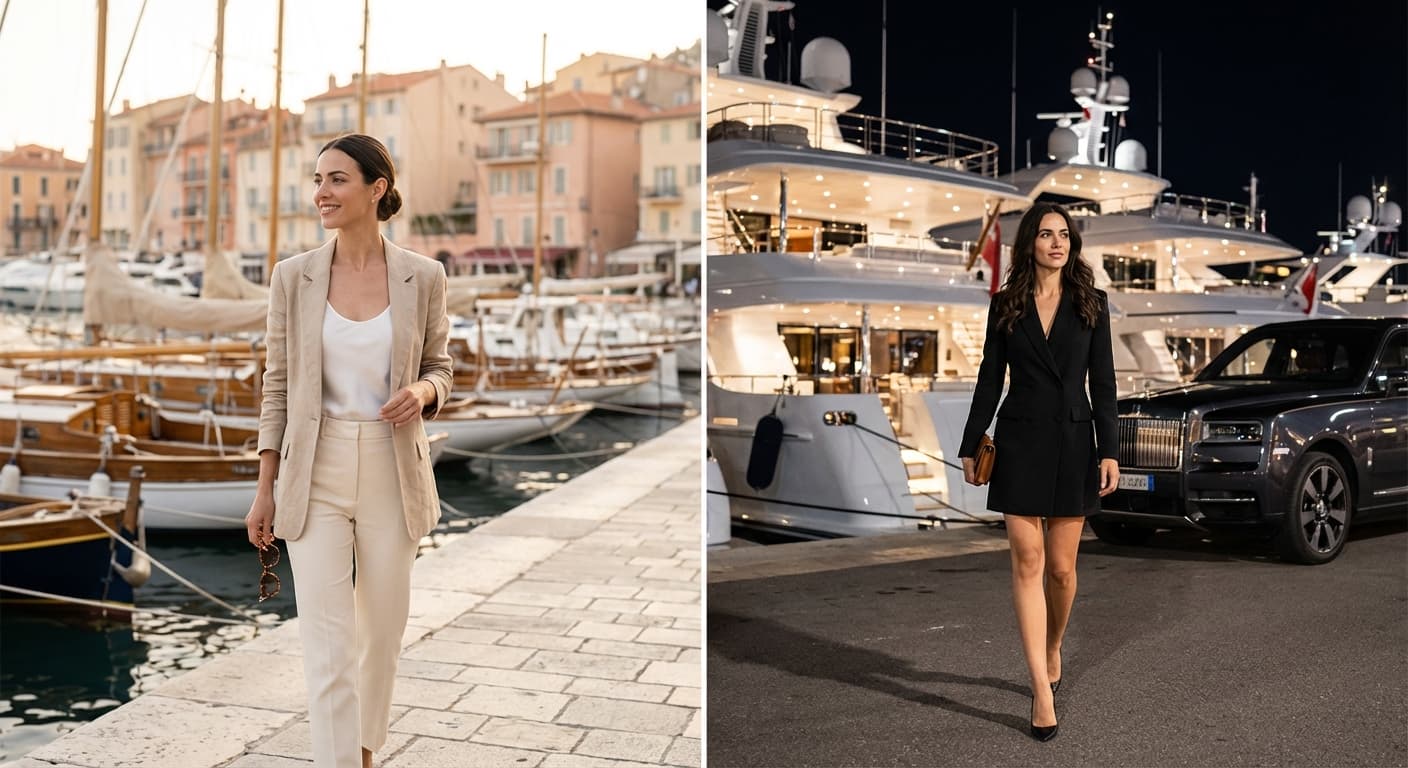
Old Money: Trusted, Stable, Long-Term
When people see old money visuals online, they tend to assume:
- Stability
- Emotional control
- Long-term success
- Low volatility
The aesthetic feels settled. It doesn’t ask for validation or reaction. Because of that, it often reads as trustworthy.
This is why old money aesthetics perform well in contexts where credibility matters:
- Personal branding
- Professional profiles
- Long-form content
- Platforms where people invest time, not just attention
The perception isn’t “look at this.”
It’s “this feels solid.”
New Money: Attention-Grabbing, Exciting, Immediate
New money aesthetics trigger a different response.
They’re interpreted as:
- Ambitious
- High-energy
- Confident
- Sometimes risky
The reaction is faster and more emotional. Viewers notice it immediately, but they don’t always linger.
This makes new money visuals highly effective for:
- Short-form content
- Viral posts
- Platforms built around speed
- Moments where attention matters more than trust
The perception here isn’t “this is stable.”
It’s “this is happening right now.”
Why the Same Image Gets Different Reactions
The same luxury signal can be read in opposite ways depending on its presentation.
A quiet interior suggests permanence.
A flashy object suggests momentum.
Neither interpretation is wrong — but they serve different goals.
This perception gap explains why people often talk past each other when debating old money vs new money aesthetics. They’re reacting to how the signal makes them feel, not to the signal itself.
Online, feeling determines judgment long before logic arrives.
Understanding that gap is more important than choosing sides.
Which Aesthetic Works Better on Dating Apps
Dating apps are where the difference between old money and new money aesthetics becomes impossible to ignore.
Because dating apps aren’t just about attraction — they’re about risk assessment.
When someone swipes, they're not asking who looks richer. They're asking who feels safer, more stable, and easier to imagine a future interaction with.
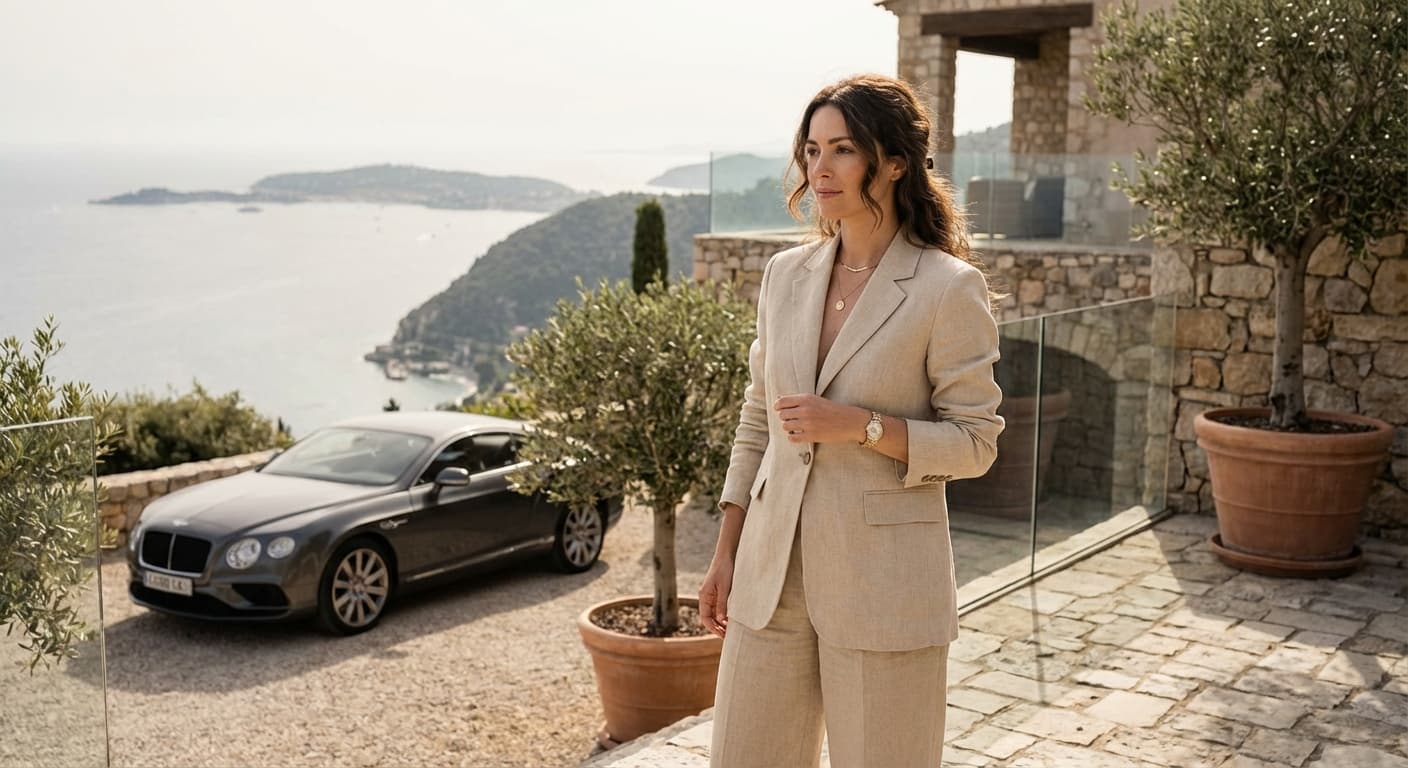
Why Old Money Aesthetics Perform Better in Dating
On dating apps, old money aesthetics tend to outperform new money visuals over time.
Why? Because they signal:
- Emotional stability
- Consistency
- Low drama
- Long-term orientation
A calm, understated environment doesn’t demand attention — it earns trust. It makes the viewer feel like engaging won’t be chaotic or unpredictable.
Old money visuals don’t feel like highlights.
They feel like baseline reality.
That’s powerful in dating.
Where New Money Aesthetics Struggle
New money aesthetics can still perform on dating apps — but they’re volatile.
They often signal:
- Excitement
- Momentum
- Confidence
But they can also raise silent questions:
- Is this lifestyle sustainable?
- Is this person trying to impress?
- Is this all surface-level?
Flashy objects, nightlife-heavy settings, and high-intensity visuals may attract attention — but they don’t always convert into meaningful matches.
They win the swipe.
They don’t always win the conversation.
The Hidden Metric: Ease of Saying Yes
Dating apps reward the profile that feels easiest to say yes to.
Old money aesthetics reduce friction because they feel familiar, composed, and emotionally safe. New money aesthetics increase stimulation — but sometimes at the cost of trust.
This doesn’t mean one is “better” in all cases.
It means dating apps reward calm over spectacle.
If your goal is more matches that turn into real conversations, the old money aesthetic usually sends the stronger signal.
Ready to upgrade your dating profile? Richflex generates professional luxury photos that signal stability and trust — the exact qualities that convert swipes into meaningful conversations.
Which Aesthetic Wins on Social Media (And Why)
Social media changes the rules.
What works best on dating apps doesn't always work best on platforms built for speed, visibility, and constant novelty. When it comes to old money vs new money aesthetics, social media is where new money often wins.
Social Media Rewards Attention First
Platforms like Instagram, TikTok, and Shorts are optimized for one thing: stopping the scroll.
New money aesthetics are designed for that environment. They use:
- High contrast visuals
- Clear focal points
- Immediate luxury cues
- Strong emotional impact
Flashy modern architecture, visible wealth, nightlife settings, and bold compositions grab attention instantly. Viewers don’t need to decode anything — the signal is obvious.
In fast-moving feeds, clarity beats subtlety.
Why Old Money Feels Slower Online
Old money aesthetics don’t always translate well to short-form social media.
Their strengths — restraint, subtlety, and calm — require time to be appreciated. In a feed optimized for dopamine hits, that can feel understated or even boring to casual viewers.
This doesn’t make old money aesthetics ineffective online. It makes them context-dependent.
They tend to perform better when:
- An audience already exists
- The creator has established credibility
- The platform rewards depth over novelty
On social media, old money aesthetics often build trust, not reach.
Attention vs Longevity
New money aesthetics win on reach.
Old money aesthetics win on reputation.
One is optimized for visibility.
The other is optimized for staying power.
This is why many high-growth accounts start with bold, new money visuals and gradually transition toward quieter, more refined aesthetics as their audience matures.
Social media rewards what’s obvious today — not what lasts forever.
Understanding that difference helps you choose the right signal for the right platform.
Need visuals that work for your specific platform? Richflex generates both old money and new money aesthetics from the same photos, so you can test what resonates with your audience.
The Real Answer: It’s Not Old Money or New Money
After all the comparisons, the answer becomes clear:
It's not old money or new money.
It's intentional signaling.
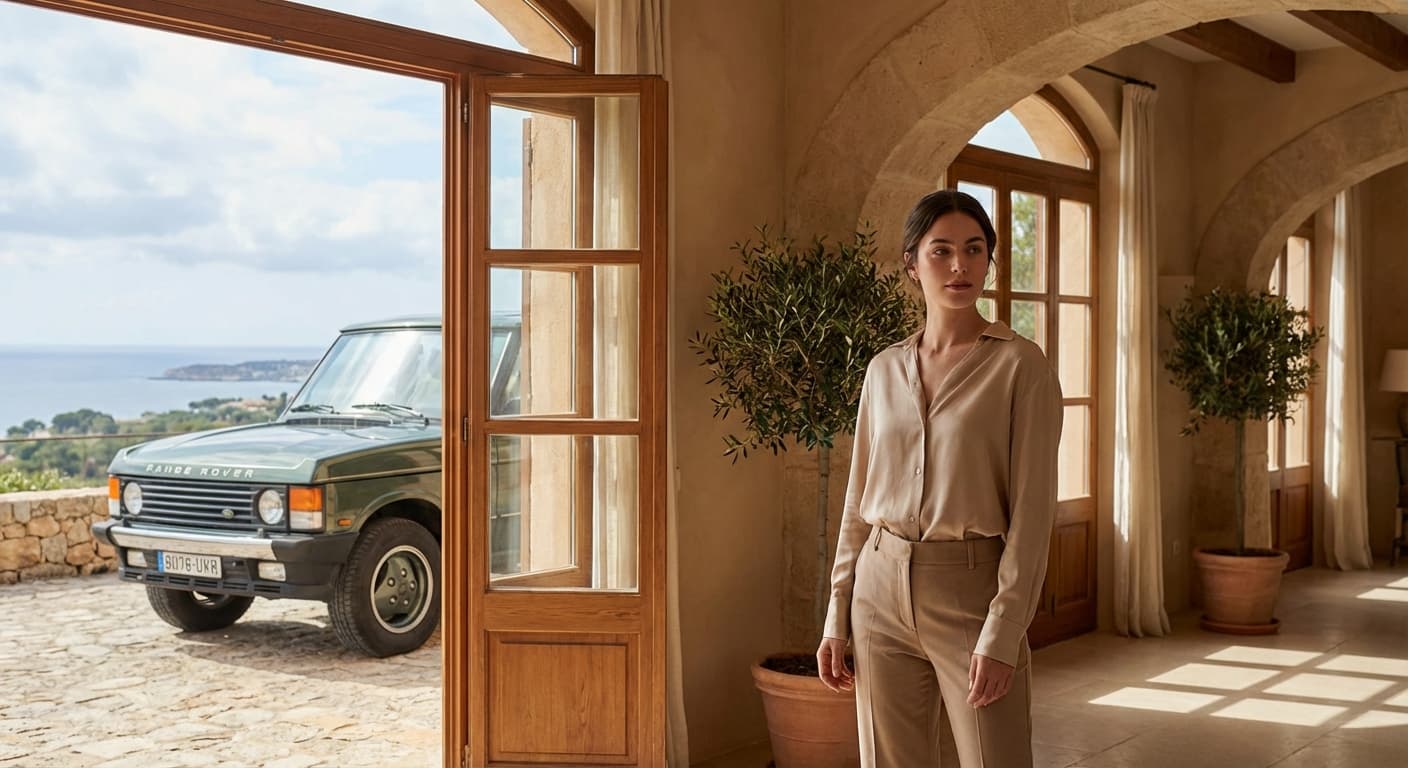
Both aesthetics work — and both fail — depending on how, where, and why they’re used. Old money and new money aren’t identities. They’re visual languages. And like any language, their effectiveness depends on the audience.
Why People Get This Debate Wrong
Most discussions around old money vs new money aesthetics turn into value judgments:
- Which one is classier
- Which one is cringe
- Which one is “real” wealth
That misses the point entirely.
What actually matters is how the signal is received, not how it’s meant.
A quiet, understated image can signal confidence in one context and invisibility in another. A bold, flashy image can signal ambition in one place and instability in another.
The aesthetic isn’t the problem.
Misalignment is.
The Best Performers Switch Signals Intentionally
The people who do this best aren’t loyal to one aesthetic.
They adapt.
They use:
- Old money signals where trust, stability, and longevity matter
- New money signals where attention, momentum, and speed matter
They understand that visual perception is situational.
The goal isn’t to look rich in every frame.
The goal is to look right for the environment you’re in.
Luxury Is a Tool, Not an Identity
This is the shift most people never make.
Luxury isn’t something you are.
It’s something you use.
It’s a way to reduce uncertainty, communicate direction, and shape first impressions — especially online, where context is thin and judgments are fast.
Once you stop treating aesthetics as a personality and start treating them as a tool, the debate disappears.
What remains is a much more useful question:
What do I want this image to communicate — and to whom?
Choosing the Right Aesthetic Visually (Without Overthinking It)
Most people don’t struggle with aesthetics because they don’t understand them.
They struggle because they think they have to commit to one.
You don't.
Old money and new money aesthetics aren’t lifestyles you sign up for. They’re visual modes you can switch between depending on what you want the image to do.
That’s the part social media rarely explains.
The Only Question That Actually Matters
Before choosing an aesthetic, ask one thing:
Where will this image live?
- Dating apps → calm, understated, low-drama signals
- Professional profiles → stable, composed, timeless visuals
- Social media growth → bolder, more visible signals
- Long-term branding → consistency over spectacle
Once you answer that, the aesthetic choice becomes obvious.
The mistake most people make is trying to express their entire personality in a single photo. That’s impossible — and unnecessary.
Photos don’t need to be honest.
They need to be useful.
Why Visual Control Matters More Than Taste
Taste is subjective.
Perception isn’t.
Online, people react to context before content. Environment before expression. Signal before story. That’s why having control over how you present yourself visually matters more than having “good taste.”
This is also why more people now experiment with different luxury aesthetics digitally before committing to one publicly.
Instead of guessing what works, they test.
Tools like Richflex make that possible by letting you generate different high-end looks — old money, new money, or something in between — using the same base photos.
No travel.
No wardrobe overhaul.
No permanent commitment.
Just visual flexibility.
And once you see how differently people respond, the whole debate stops being theoretical.
Pick the Signal That Works for You
At the end of the day, old money vs new money isn’t a personality test.
It's a toolset.
Old money aesthetics communicate stability.
New money aesthetics communicate momentum.
Neither is inherently better.
They’re just better at different jobs.
The people who win online aren’t the ones arguing about which aesthetic is “real.” They’re the ones who understand how perception works — and adjust accordingly.
If you want to experiment with how you’re perceived without changing your real life, your wardrobe, or your location, that’s exactly what Richflex is built for.
You upload a few normal photos.
You choose the environment and aesthetic.
You generate visuals that send the signal you actually want to send.
No labels.
No pretending.
Just control.
Choose the signal. Let the image do the talking.
Create Your Luxury Photos

.jpg&w=1920&q=75)